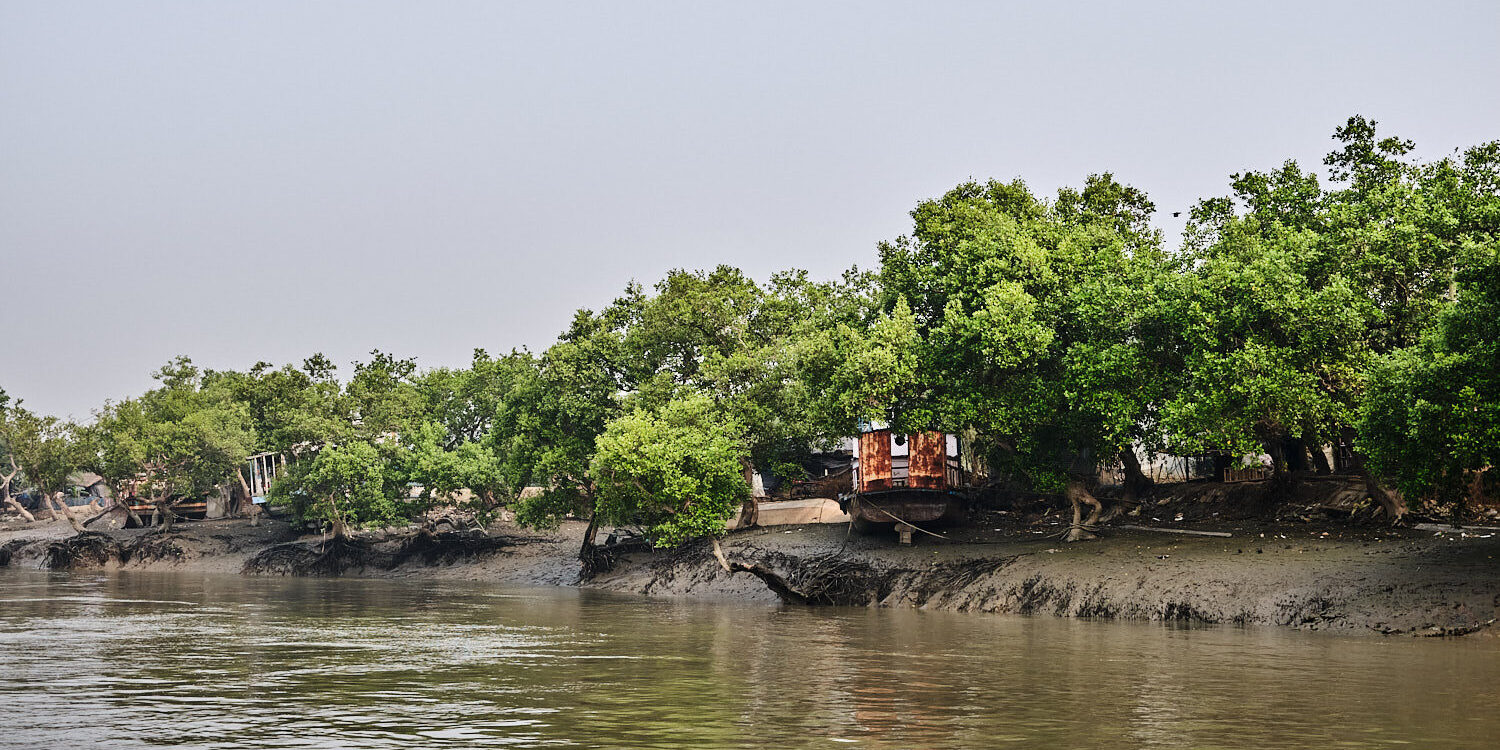
Natural Regeneration
The Challenge
In recent years, mangroves are declining at an alarming rate worldwide.
The Objective
Monitoring a healthy undisturbed mangrove ecosystem to help the area to grow and reintroduce original species in its native area with minimum disturbance to the original ecosystem
The Location
Sundarbans, West Bengal, India
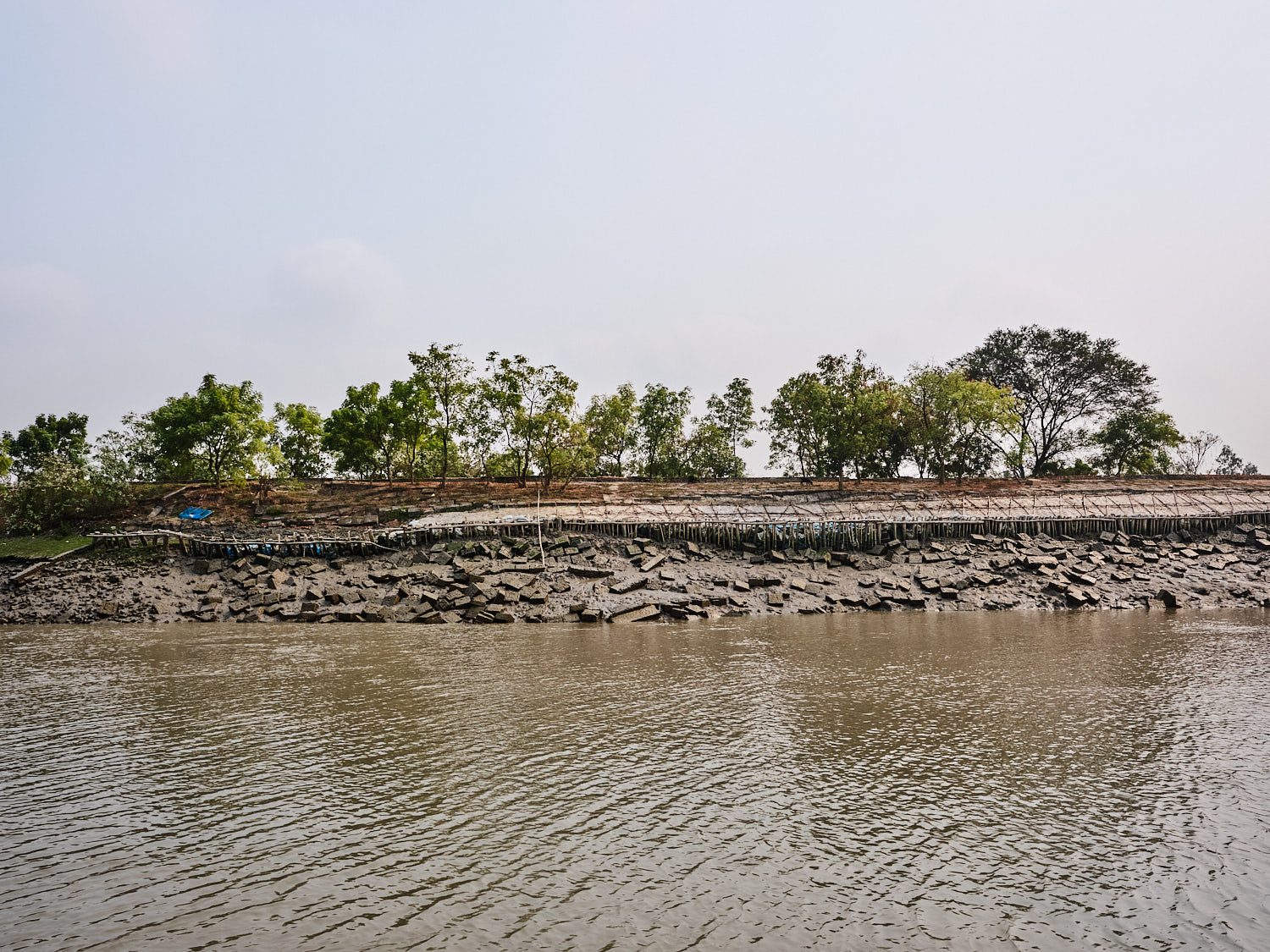
Mangroves are trees and shrubs that grow on protected coasts, tidal flats and riverbanks in many parts of the world and belong to a wide variety of plant families. They are important carbon sinks and maintain the biodiversity of their ecosystem. Despite that, mangroves, in general, are threatened by climate change, unsustainable fish production and shrimp, mixed sewage from urban-industrial areas and oil-spill.
In recent years, mangroves are declining at an alarming rate worldwide. Government and non-governmental organizations put a huge effort to reintroduce the mangrove ecosystem through sapling plantation to protect coastal areas from further damage due to natural catastrophic events. But this new species introduction changes the species dynamics of the area along with native biodiversity loss. The self-sustaining capacity of mangrove ecosystems support it in coping with the effects of natural calamities and anthropogenic activities.
SOCEO is collaborating with Dr. Punarbasu Chaudhuri of the Department of Environmental Science of the University of Calcutta to conduct an experimental study with the objective of observing and documenting the natural regeneration capacity of mangrove ecosystems in the Indian Sundarbans.
Interim results: A total of thirteen different mangrove species were recorded. While more different species were found in the naturally grown mangrove area, the plants in the control area tended to be larger. The results show how complex the interaction between natural processes and human influence is. Targeted and well-thought-out strategies are therefore necessary to protect the mangroves.